Expert Tips for Efficient Land Clearing Techniques

Land clearing is an essential process for various projects, whether you're preparing a site for construction, agriculture, or landscaping. However, it can be a daunting task if not approached correctly. In this blog post, we will explore expert tips for efficient land clearing techniques that can save you time, effort, and resources.
Understanding the Importance of Land Clearing
Before diving into the techniques, it's crucial to understand why land clearing is necessary. Proper land clearing can:
Enhance Safety: Removing debris and hazardous materials reduces the risk of accidents.
Improve Accessibility: Clear land allows for easier access to the area for construction or farming.
Promote Healthy Growth: Clearing out unwanted vegetation can promote the growth of desired plants and crops.
Planning Your Land Clearing Project
Assess the Land
The first step in any land clearing project is to assess the land. Take note of:
Vegetation Types: Identify the types of plants and trees present. Some may be protected species, requiring special handling.
Topography: Understand the land's slope and drainage patterns, which can affect how you clear it.
Soil Quality: Test the soil to determine its suitability for your intended use.
Set Clear Goals
Define what you want to achieve with the land clearing. Are you preparing for construction, farming, or landscaping? Setting clear goals will help you choose the right techniques and tools.
Choosing the Right Techniques
Manual Clearing
For small areas or delicate environments, manual clearing may be the best option. This method involves:
Hand Tools: Use tools like shovels, axes, and saws for precise work.
Selective Removal: Carefully remove unwanted plants while preserving desirable ones.
Mechanical Clearing
For larger areas, mechanical clearing is often more efficient. Consider the following equipment:
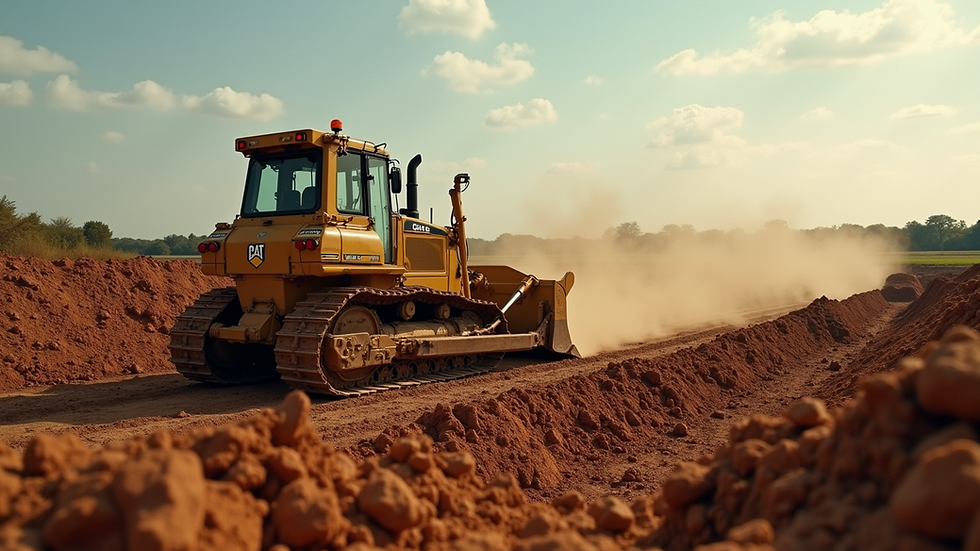
Bulldozers: Ideal for pushing large amounts of debris and leveling the ground.
Excavators: Useful for digging and removing tree stumps and large rocks.
Chippers: Great for turning branches and brush into mulch.
Chemical Clearing
In some cases, chemical methods may be necessary to control invasive species. Use herbicides carefully, following all safety guidelines and regulations. Always consider the environmental impact before applying chemicals.
Safety Precautions
Safety should always be a priority during land clearing. Here are some essential precautions:
Wear Protective Gear: Use gloves, goggles, and hard hats to protect yourself from debris.
Check for Utilities: Before starting, ensure there are no underground utilities in the area.
Have a First Aid Kit: Always have a first aid kit on hand in case of accidents.
Efficient Techniques for Land Clearing
Clear in Sections
Instead of tackling the entire area at once, divide the land into manageable sections. This approach allows you to focus on one area at a time, making the process more efficient.
Use the Right Equipment
Investing in the right equipment can significantly speed up the clearing process. For example:
Chainsaws: Essential for cutting down trees and large branches.
Stump Grinders: Efficiently remove tree stumps without extensive digging.
Create a Debris Management Plan
Have a plan for managing the debris you clear. Options include:
Chipping: Turn branches into mulch for landscaping.
Burning: If allowed, burning can be an effective way to dispose of debris.
Hauling: For larger debris, consider hiring a service to haul it away.
Environmental Considerations
Protecting Wildlife
Before clearing, check for any wildlife habitats in the area. If you find any, consider delaying your project until after the breeding season or relocating the wildlife if necessary.
Erosion Control
After clearing, implement erosion control measures to prevent soil loss. Techniques include:
Silt Fences: Install silt fences to catch sediment.
Planting Cover Crops: Planting grass or other cover crops can stabilize the soil.
Image Placeholder

Post-Clearing Steps
Once the land is cleared, you may want to consider the following steps:
Soil Preparation
Prepare the soil for its new purpose. This may involve:
Tilling: Break up compacted soil to improve aeration.
Adding Nutrients: Test and amend the soil as needed for planting.
Landscaping
If your goal is landscaping, now is the time to plan your layout. Consider:
Plant Selection: Choose plants that thrive in your soil and climate.
Design: Create a design that enhances the natural beauty of the area.
Conclusion
Efficient land clearing is a crucial step in preparing for construction, agriculture, or landscaping. By understanding the importance of planning, choosing the right techniques, and prioritizing safety, you can streamline the process and achieve your goals effectively. Remember to consider environmental impacts and take necessary precautions to protect wildlife and soil health.
With these expert tips, you are now equipped to tackle your land clearing project with confidence. Whether you choose manual, mechanical, or chemical methods, the key is to plan carefully and execute efficiently. Happy clearing!

Comments